RESIST-1 MCR Multi - FAQ
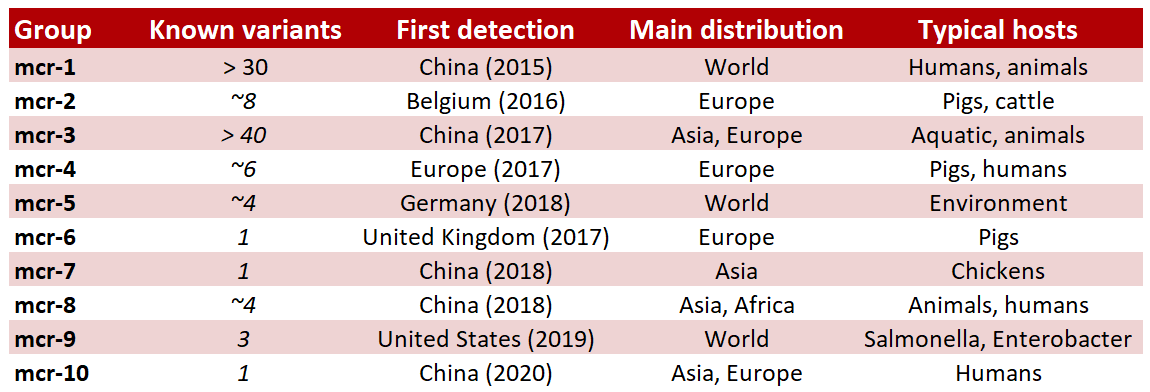
What are the known mcr1 to mcr10 (mobilized colistin resistance) gene groups worldwide, along with the number of variants described to date?
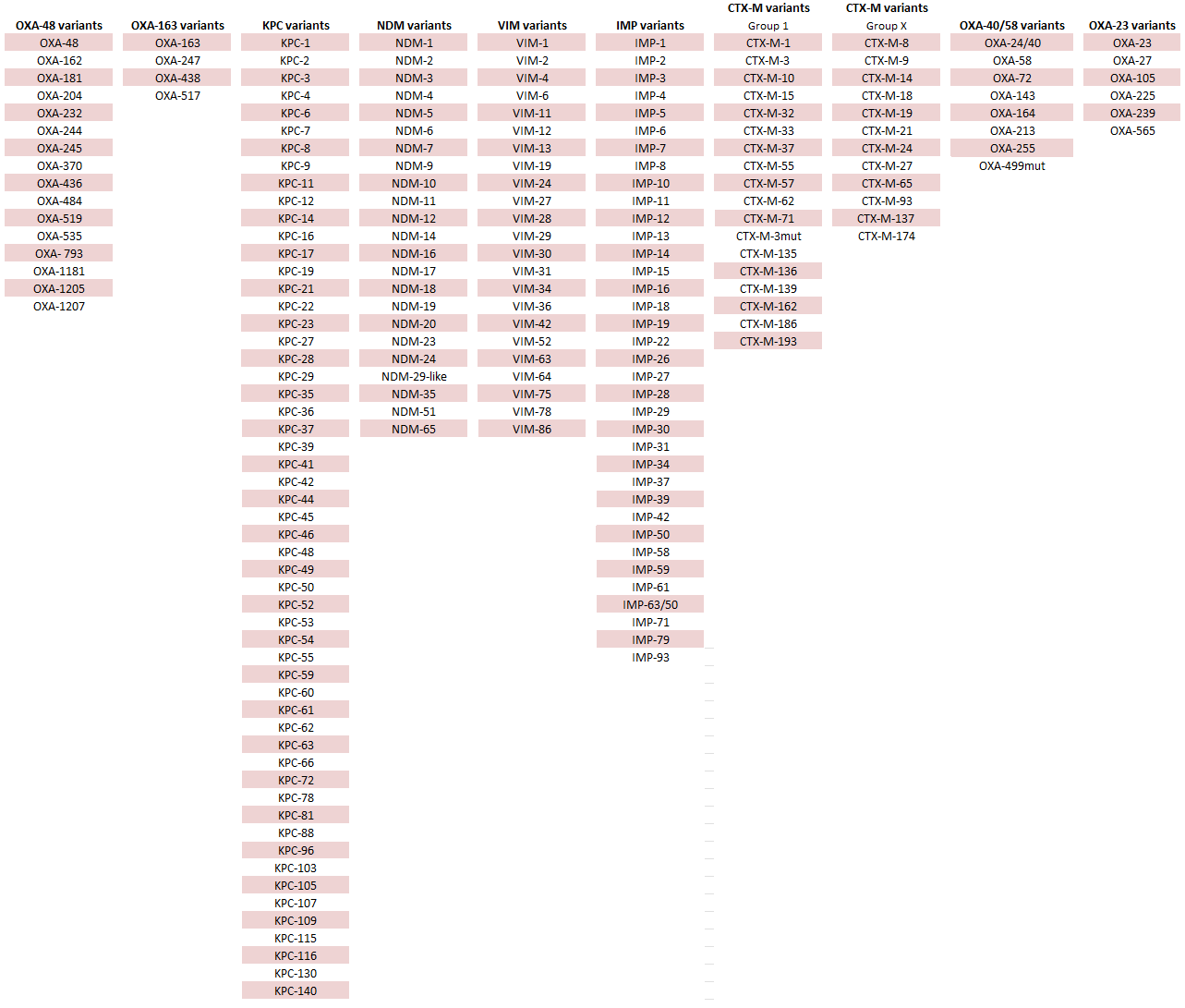
What are the variants that are recognized by our RESIST tests?
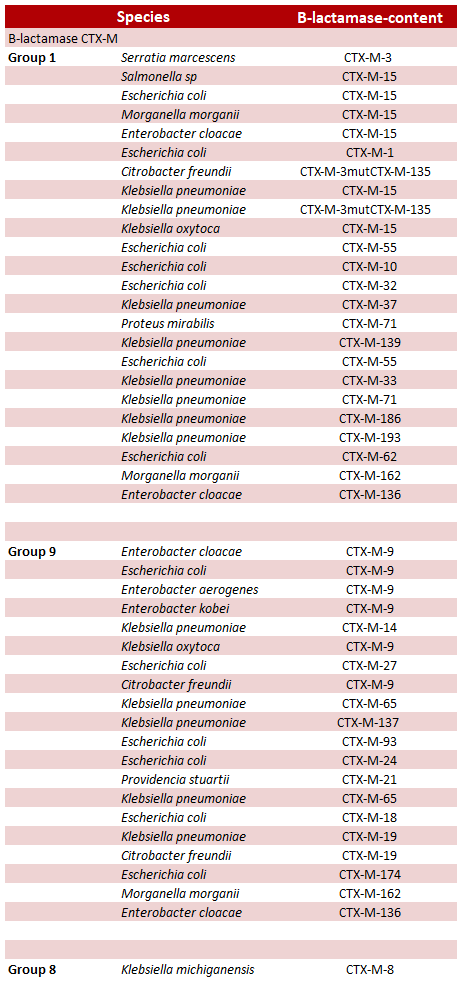
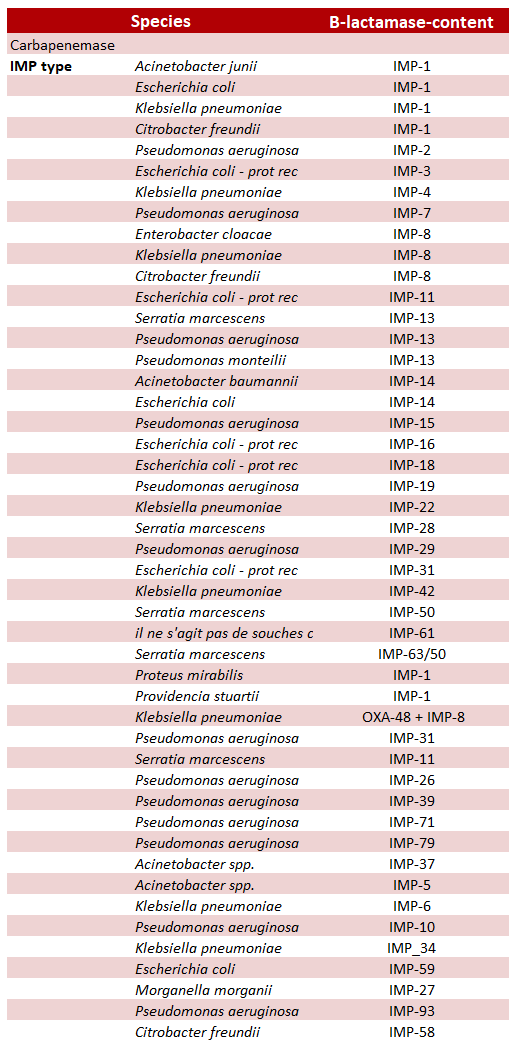
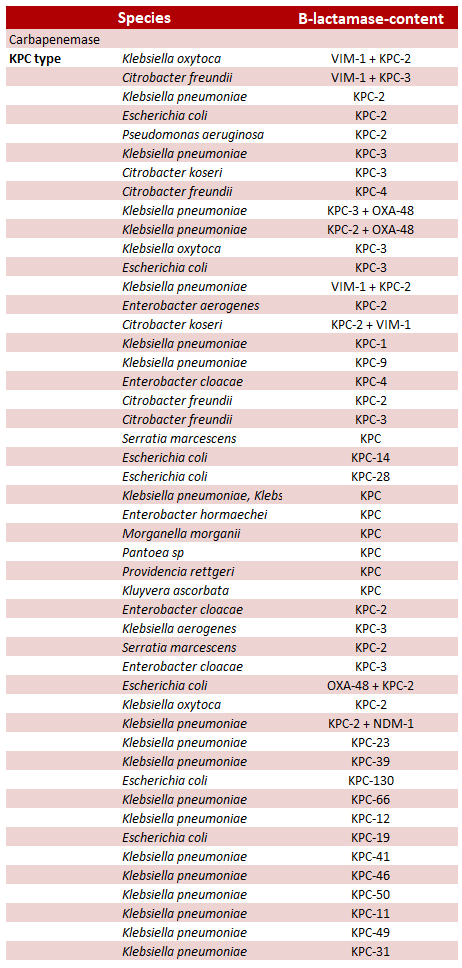
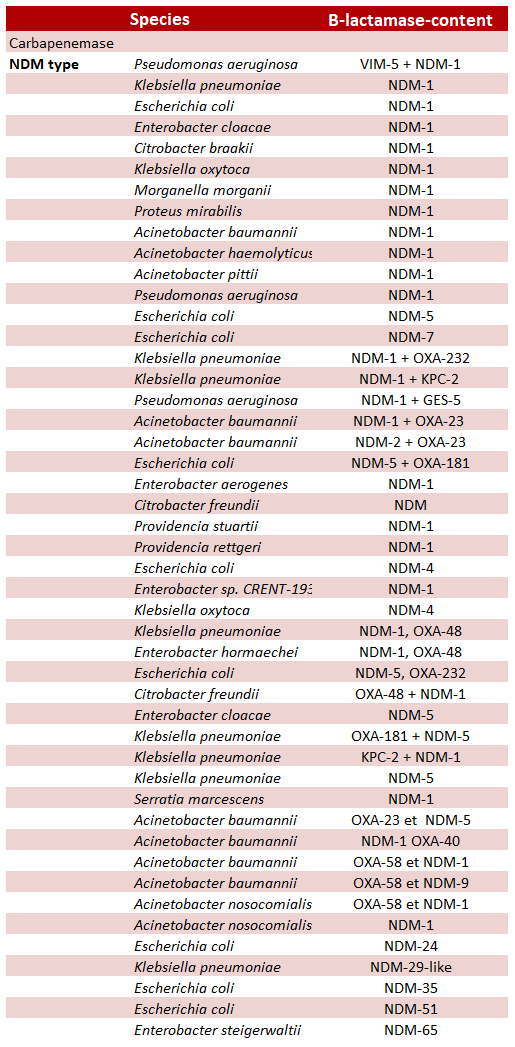
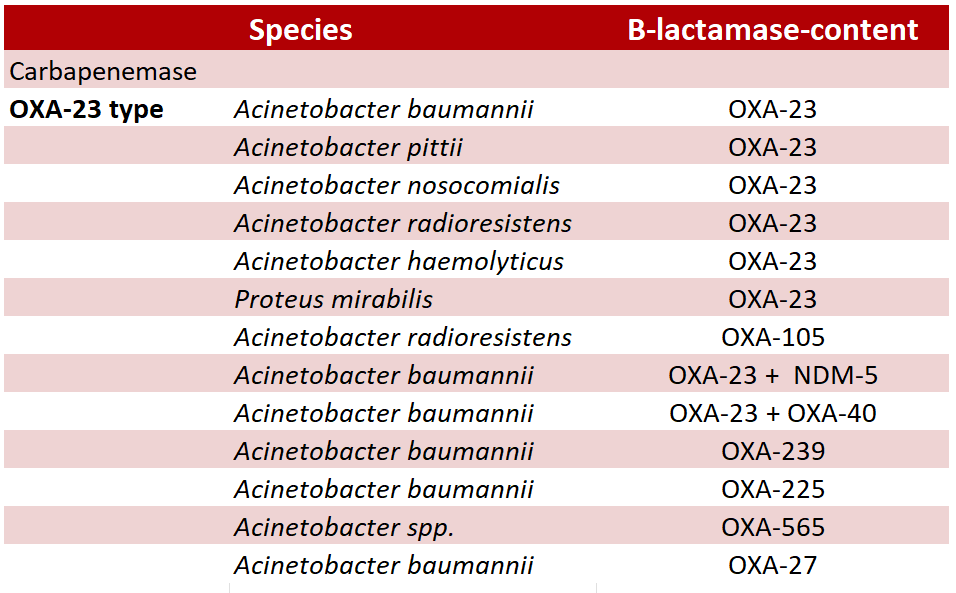
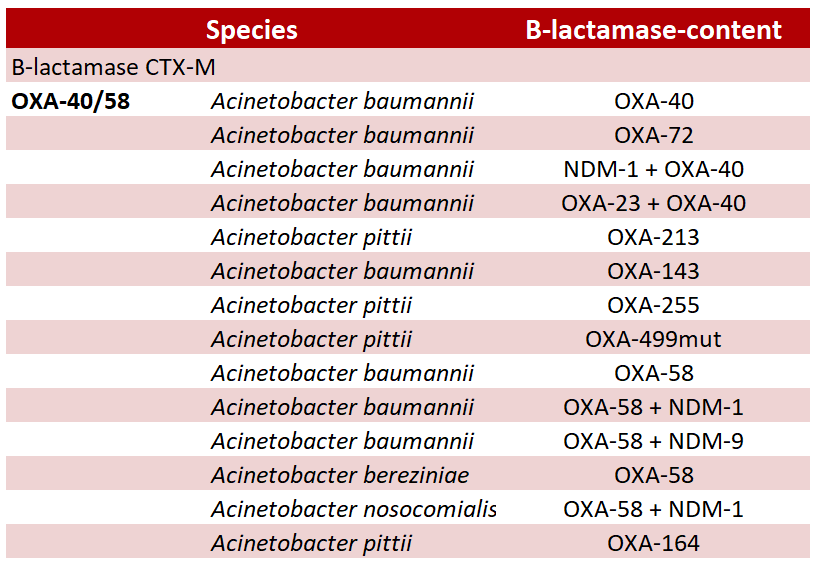
What are the bacterial species tested for the different targets of our tests?
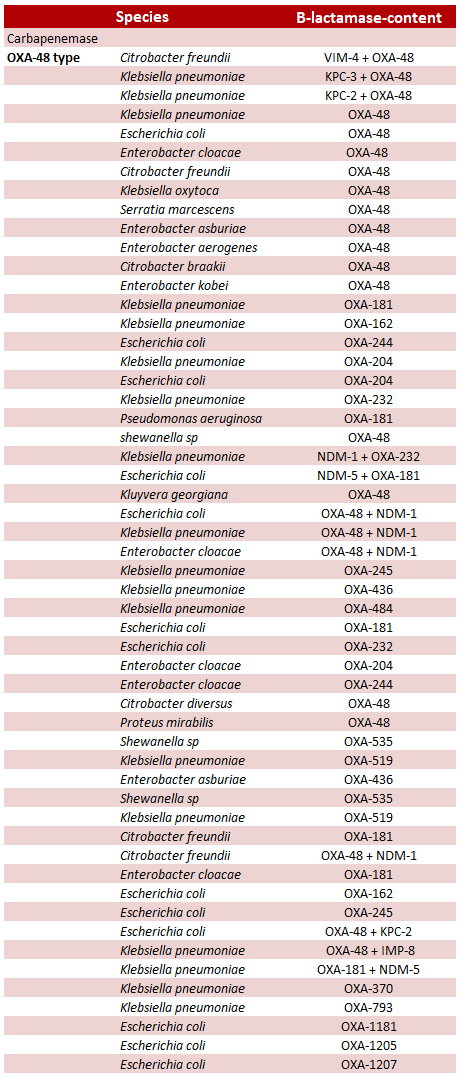
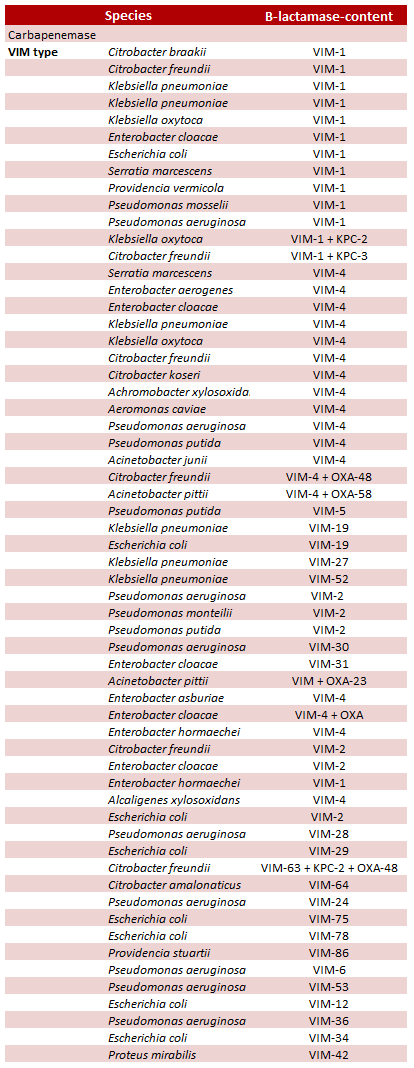
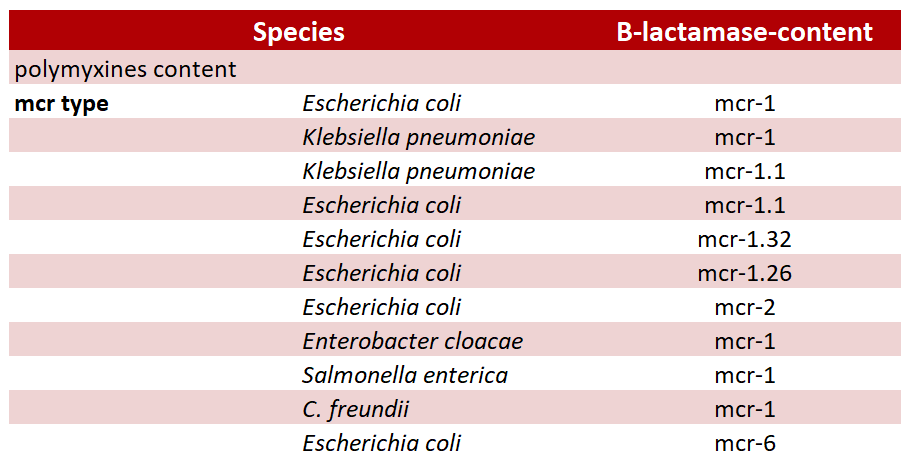
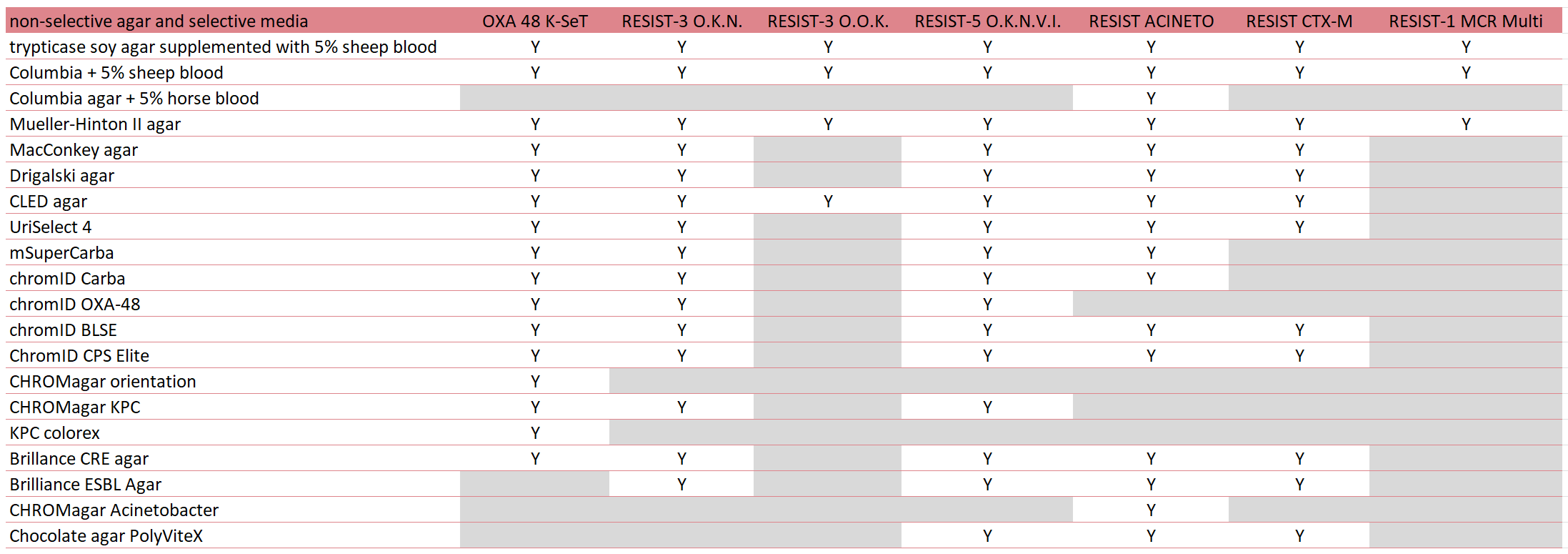
What are the culture media compatible with the kit?
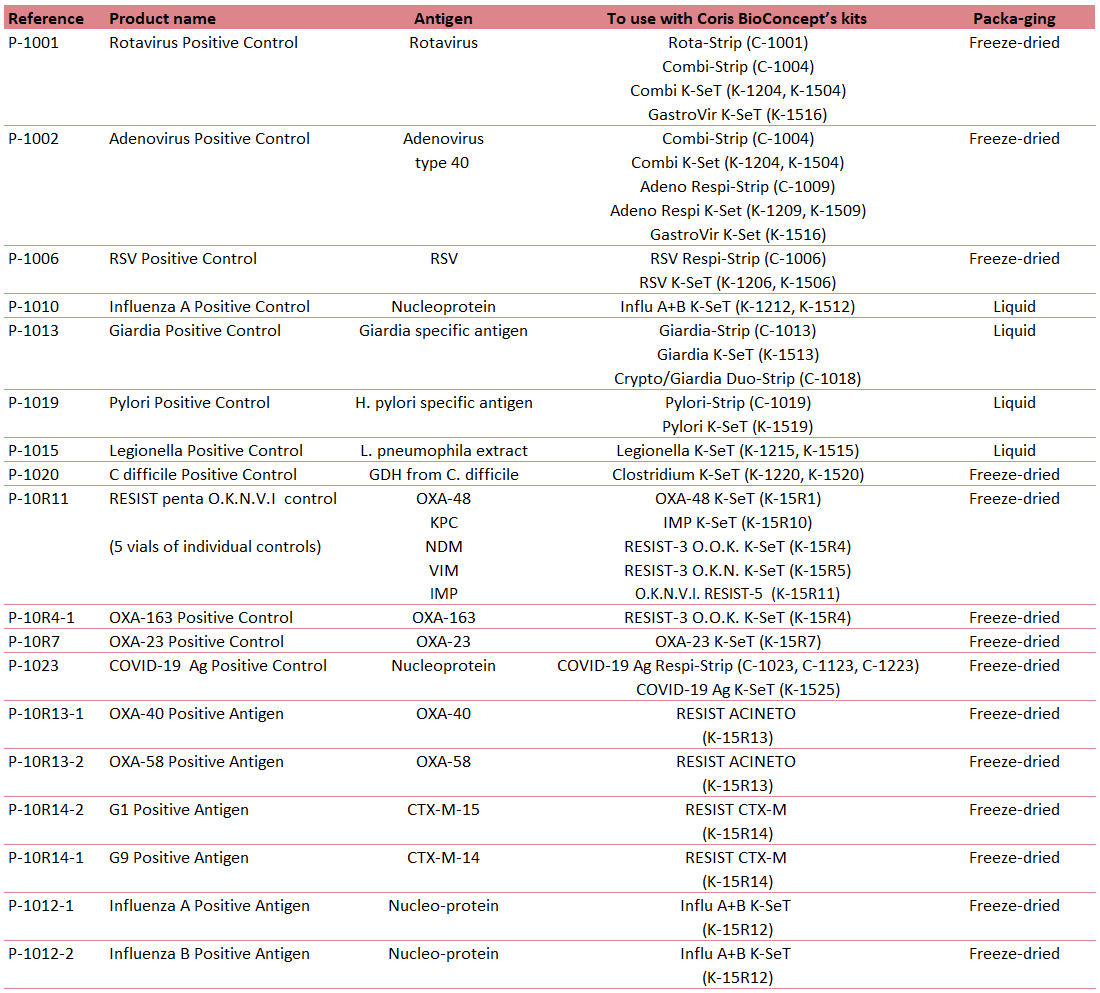
What immunoassay kits are validated with antigens?
Is the buffer the same for all Coris BioConcept's K-SeT kits? If I need some more for my tests, may I use the one from another kit?
According to the "Instructions For Use", it is not allowed to exchange buffer between kits. If you have volume problems, please contact your distributor who is able to provide additional vials. Nevertheless, the buffer is the same within one product of different lot numbers (e.g. Rota-Strip buffers exchange between different lots will not give rise to any problems on the strips).
At present, 9 different kinds of buffers are used in Coris’products, i.e., RE-A Buffer (for Influ –A&B Respi K-SeT), Extraction Buffer (for RSV-Strip), HC Dilution buffer (for Adeno Respi-Strip, Combi-Strip, Pylori-Strip, GastroVir-Strip, for Crypto-Giardia Duo-Strip, Giardia-Strip, and all cassette formats of the corresponding kits), HydroK buffer (for dry swab Test restricted to AdenoRespi K-SeT), ST-A buffer (for Clostridium K-SeT), LY-A Buffer (for RSV Respi K-SeT and for kits RESIST except RESIST CTX-M, RESIST-3 O.K.N. and RESIST-5 O.K.N.V.I.), LY-D Buffer (for RESIST-3 O.K.N. and RESIST-5 O.K.N.V.I.), LY-E Buffer (for RESIST CTX-M),BL-A Buffer (for HAT Sero K-SeT), and Sample Dilution Buffer for all the other products.
What happens when a clinical specimen is a strongly positive specimen? What about the control line?
The test strip contains two different conjugate panels: one specific reagent for each test line and one specific reagent for the control line. A strongly positive sample has no effect on the intensity of the control line on the nitrocellulose strip. As long as the control line appears, regardless of its intensity, the test is considered valid.
Why does the control line sometimes appear very weak while the test line is positive?
Control line is aimed to ensure that chromatography has been performed up to the top of the strip. It is not related with the result of the diagnostic itself.
Sometimes, the control line might be "slightly weak "without any precise reason. It could be only an effect of the sample migration and / or responsiveness at the control line. The control line is aimed to validate the test using various specimen.
How to use correctly K-SeT kits from Coris BioConcept?
- Always store the reagents at the indicated storage temperature : between 4 and 30°C for all kits/li>
- Aways use gloves to manipulate kit components and samples
- Always use the provided (Extraction, Dilution, …) Buffer even if the sample is already diluted (e.g. in a transport medium)
- Always be sure that the solution sample – buffer is homogenous before testing
- Always read the results when the dipstick into the device is wet (between 10 and 15 minutes depending on the test)
How long can a pouch remain open before performing the test?
Once the pouch is opened, the test should be performed immediately. An unopened pouch may be kept at between 4 and 30°C and used until the shelf-life date indicated on the packaging.
The liquid does not migrate in the cassette, what should I do?
The most plausible explanation for this invalid test (absence of a control line after execution) is a problem with the sample volume dispensed into the cassette well. The instructions for use specify a precise volume of liquid (3 drops, 100 µl, or 120 µl depending on the kit used) of the diluted sample. However, if you dispense less liquid or foam bubbles (dilution buffers containing detergent) of the diluted sample into the cassette, the conjugate may not be completely released from the drying zone, and the insufficient liquid volume will prevent proper and complete migration onto the cassette strip. We recommend that you perform the test again with the correct volume of liquid from the diluted sample preparation to restore proper migration. Please contact Coris (cc) if you encounter this technical problem again.
Is it a problem if the test has "run" more than the recommended time?
Yes. It might cause the appearance of false positive signal on test.
The signal of the test line is very weak in comparison with the control line. Do I have to consider that the result is positive?
The control line is aimed to ensure the user that the chromatography is performed up to the top of the strip. It does not give any indication on the diagnostic result. Whenever a signal is observed on the test line (weak or strong), it means that the result of the test is positive for the pathogen of interest.
Is it a problem if less or much more liquid is deposited in the cassette tests?
Yes. In the case of insufficient liquid volume, refer to the FAQ "The liquid does not migrate in the cassette, what should I do?" If too much liquid is deposited in the cassette well, the risk is that the conjugates in the strip will be diluted too much, which could reduce the test's detection capacity.
How should bacterial strains growing as biofilms rather than isolated colonies be sampled?
The sampling procedure must be adapted for the RESIST test when dealing with bacterial strains (such as P. mirabilis and P. aeruginosa) that grow as biofilms or mucoid colonies. For mucoid colonies, collect 3 colonies in the kit buffer, vortexing for 3 minutes followed by a 10-minute incubation at room temperature is required. In the case of biofilms, taking multiple samples (up to three) from distinct locations helps disperse the matrix and yields a homogeneous bacterial suspension for the test.


